Cold & Hot Forged Parts
Professional cold forging, hot forging, die forging, and heat treatment for high-strength metal components
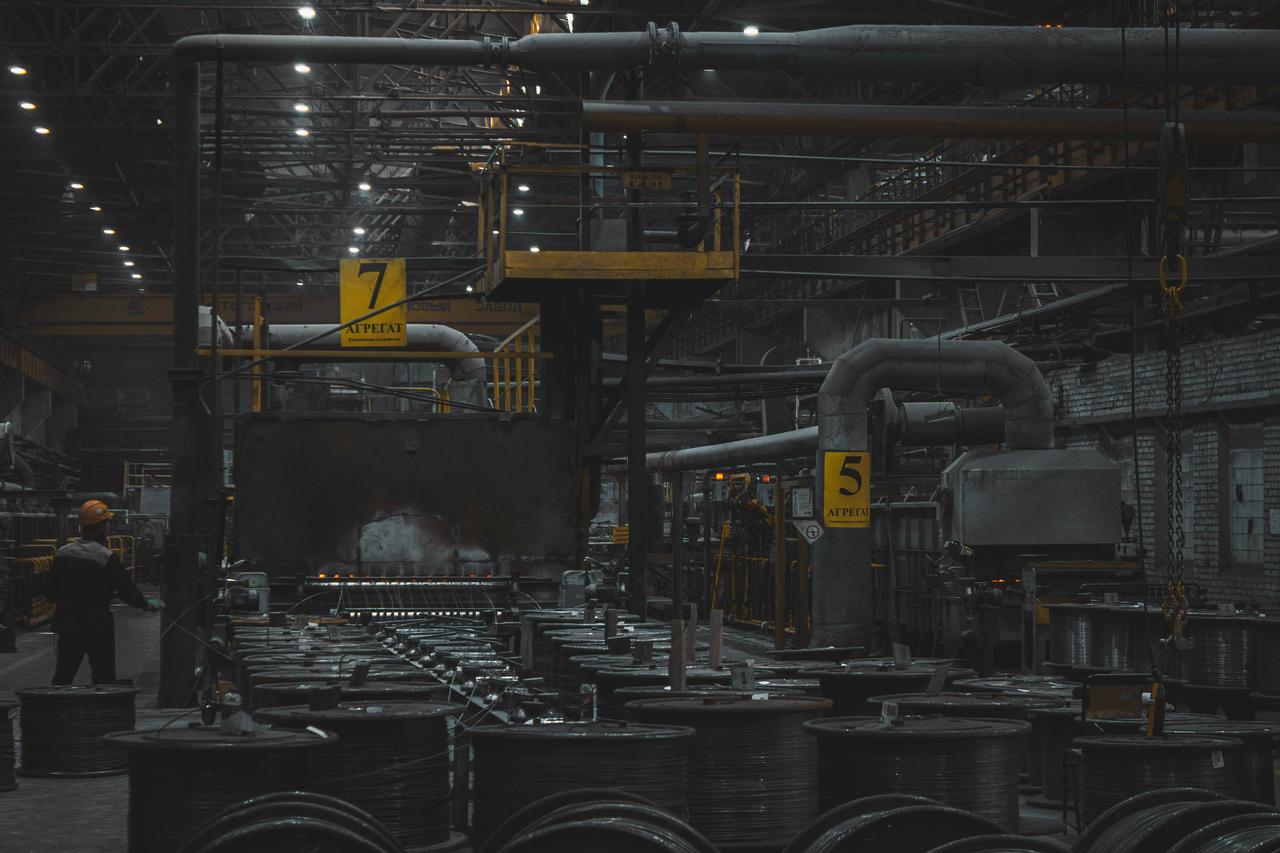
Service Overview
We operate state-of-the-art forging equipment with a professional engineering team capable of manufacturing complex cold-forged and hot-forged components. Our optimized forging processes ensure superior strength and durability to meet demanding application requirements.
From prototype samples to large-volume production, we deliver high-quality forging solutions.
Core Advantages
- High-strength components
- High material utilization
- Precision and dimensional stability
- Large-component forming capability
- Cost optimization
Forging Types
Cold Forging
Room-temperature forging process ideal for small components and high-precision products.
Features and Advantages
- • High precision (±0.1-0.2mm)
- • Smooth surface requires minimal post-processing
- • High material strength
- • Ideal for small-batch production
- • Relatively low cost
Applications
Automotive components, fasteners, small tools, precision parts and more.
Hot Forging
High-temperature forging process ideal for large components and complex shapes.
Features and Advantages
- • Can form large components
- • Strong complex shape forming capability
- • Excellent material properties
- • Supports high-volume production
- • Ideal for high-strength applications
Applications
Heavy machinery, automotive engine components, agricultural machinery and more.
Production Equipment
Cold Forging Equipment
- • Hydraulic forging machines
- • Mechanical presses
- • Multi-station automated forging
- • Capacity range: 50-2000 tons
- • Automated feeding systems
Hot Forging Equipment
- • Large forging hammers (500-5000 tons)
- • Hot forging presses
- • High-temperature heating furnaces
- • Temperature control systems
- • Automated material handling
Mold Capabilities
- • Forging die design and manufacturing
- • High-strength tool materials
- • Complex geometry dies
- • Extended die life
Post-Processing Equipment
- • Heat treatment furnaces (quenching, tempering)
- • Machining centers
- • Surface treatment equipment
- • Inspection and packaging
Material Range
Carbon Steel
- • Carbon steel (Q235, etc.)
- • Alloy steel
- • Tool steel
- • Bearing steel
Specialty Steel
- • Stainless steel
- • Heat-resistant steel
- • Tool steel
- • Precision steel
Non-Ferrous Materials
- • Aluminum alloys
- • Copper and copper alloys
- • Titanium alloys
- • Magnesium alloys
Production Capabilities
Cold Forging Capability
- • Part weight: 1g-10kg
- • Precision: ±0.05-0.1mm
- • Monthly capacity: 500-2000 tons
- • Smooth finish requires minimal post-processing
Hot Forging Capability
- • Part weight: 5kg-50kg
- • Part size: Max 1500×800mm
- • Precision: ±0.3-0.5mm
- • Monthly capacity: 1000-5000 tons
Additional Capabilities
- • Post-forging heat treatment
- • Precision machining
- • Surface treatment
- • Quality inspection and traceability
Process Advantages
Application Fields
Automotive Industry
Crankshafts, connecting rods, steering knuckles and critical parts requiring high strength and reliability.
Heavy Machinery
Excavator buckets, equipment components and other large-scale parts.
Agricultural Machinery
Tractor components, combine harvester parts and assemblies.
Energy Equipment
Wind power components, petroleum drilling equipment and systems.
Rail Transportation
Axles, wheel hubs and other critical railway components.
Other Industries
Fasteners, tools, medical devices and more.
Quality Management
Raw Material Control
All raw materials undergo composition analysis and physical property testing.
Temperature Control
Strict temperature control during hot forging to optimize metallurgical structure.
Heat Treatment Process
Optimized heat treatment improves material strength and durability.
Dimensional Inspection
Precision measurement tools including CMM ensure dimensional accuracy.
Mechanical Property Testing
Regular tensile strength, hardness and mechanical property testing.
Defect Detection
Ultrasonic and magnetic particle inspection detects internal defects.
Tolerance & Production Range
Dimensional Tolerances
- • Cold Forging: ±0.2-0.3mm
- • Hot Forging: ±0.3-0.5mm
- • Die Forging: ±0.3-0.5mm
- • Surface Finish: Ra 1.6-6.3μm
Production Capacity
- • 100-1000 units: 3-4 weeks
- • 1000-10,000 units: 2-3 weeks
- • 10,000-100,000+ units: Custom timeline
- • Monthly Capacity: 100,000-1,000,000+ units
Why Choose Our Forging Services
Multiple Forging Techniques
Cold forging, hot forging, and die forging capabilities for diverse component requirements.
Superior Material Properties
Forged components exhibit excellent strength, durability, and fatigue resistance compared to castings.
Advanced Material Range
Experience with steel, stainless steel, titanium, and copper alloys for critical applications.
Heat Treatment In-House
Complete heat treatment capabilities including hardening, tempering, and annealing.
Secondary Machining
CNC machining and finishing services available for precision dimensional requirements.
Quality Assurance
Material certification, mechanical property testing, and 100% dimensional inspection.
Get Your Forged Components Today
Submit your specifications and receive a professional quote with material cost, lead time, and technical recommendations within 24 hours.